BLOG POST: WHAT IS SOFT WASHING?
Soft Washing
vs. Pressure Washing
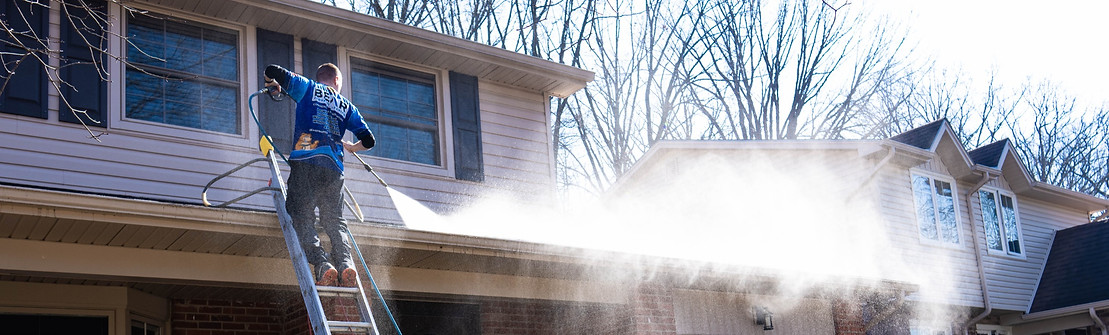
Soft washing is a professional exterior cleaning method that uses low-pressure water combined with specialized cleaning solutions to safely remove algae, mold, mildew, moss, lichen, dirt, and other organic growth from exterior surfaces. This makes it particularly useful for delicate surfaces such as vinyl siding, painted surfaces, stucco, roofs, soffits, fascia, and other materials that could potentially be damaged by excessive pressure. By treating the source of organic growth rather than simply blasting away what is visible on the surface, soft washing can provide a deeper, more thorough clean while minimizing unnecessary stress on the exterior materials of a home or building.
Soft Washing vs. Pressure Washing. What's the Difference?
If you’re researching professional exterior cleaning for your home or property, you’ve probably come across the terms soft washing, pressure washing, and power washing. Although these cleaning methods are sometimes used interchangeably, they are not the same. Each process uses different levels of water pressure, cleaning solutions, equipment, and techniques, and choosing the correct method can make a significant difference in both cleaning results and surface protection.
For homeowners throughout London and Southwestern Ontario, understanding the difference between soft washing and pressure washing is particularly important. Exterior surfaces in our region are regularly exposed to algae, mould, mildew, moss, dirt, pollen, road grime, spider webs, bird droppings, salt, and changing seasonal conditions. Some of these contaminants can be safely removed with pressure, while others are better treated chemically using a low-pressure soft washing process.
What Is Soft Washing?
Soft washing is an exterior cleaning method that combines low water pressure with specialized cleaning solutions to remove organic contamination from building surfaces. Instead of relying primarily on the force of pressurized water, soft washing allows the cleaning solution to treat contaminants such as algae, mould, mildew, moss, and other organic growth.
The water pressure used during proper soft washing is substantially lower than traditional pressure washing. This makes soft washing particularly useful for surfaces that could potentially be damaged by aggressive pressure, including many types of siding, painted surfaces, stucco, exterior building finishes, and certain roofing materials.
What Is Pressure Washing?
Pressure washing takes a different approach. Instead of relying primarily on cleaning chemistry, a pressure washer uses a concentrated stream of pressurized water to physically remove dirt and contamination from a surface. Professional pressure washing is particularly effective on hard, durable surfaces such as concrete driveways, sidewalks, patios, retaining walls, concrete pool decks, parking areas, and other surfaces capable of safely handling increased pressure. That does not mean more pressure is always better. A professional technician adjusts pressure, water flow, nozzle selection, distance, and cleaning technique according to the surface being cleaned.
What Is Power Washing?
Pressure washing and power washing are closely related terms, and they are frequently used interchangeably. One of the primary distinctions can be the use of heated water. Hot-water power washing can be especially valuable for certain commercial and heavy-duty cleaning applications involving grease, oil, food residue, and other contaminants that can be difficult to remove using cold water alone.
Soft Washing vs. Pressure Washing for House Siding
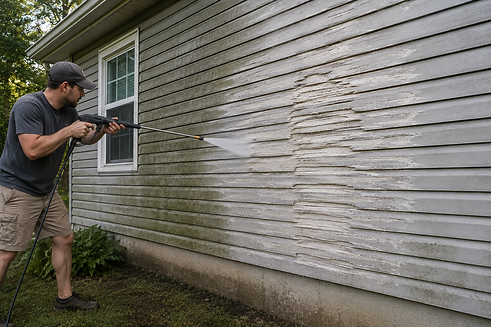
When cleaning a home's exterior, blasting siding with high pressure is generally unnecessary and can create avoidable risks. Excessive pressure can potentially force water behind siding, damage painted finishes, mark softer materials, disturb seals, or create inconsistent cleaning patterns. Professional house washing and siding cleaning instead typically relies on a lower-pressure process appropriate for the material. The objective isn't simply to knock visible dirt off the house. When green or black discolouration is caused by organic growth, treating the source of that contamination is an important part of achieving a thorough result.
Why Does Siding Turn Green?
One of the most common reasons homeowners begin researching soft washing is the appearance of green buildup on their siding. This discolouration is often associated with organic growth that thrives in damp, shaded conditions. North-facing walls, areas underneath trees, sections receiving limited sunlight, and siding around dense landscaping can be particularly susceptible. Southwestern Ontario's combination of humidity, rainfall, vegetation, and seasonal temperature changes can create favourable conditions for exterior organic buildup.
Should You Pressure Wash a Roof?
Roof cleaning is one of the clearest examples of why the cleaning method needs to match the surface. Aggressive pressure washing can be inappropriate for many roofing materials. When dealing with black roof streaks, algae, moss, lichen, and organic roof staining, a specialized low-pressure roof cleaning or soft washing process may be more appropriate than attempting to physically blast the contamination away. Roof condition, roofing material, pitch, accessibility, drainage, landscaping, and the type of contamination all need to be considered before cleaning begins.
Where Should Pressure Washing Be Used?
Pressure washing remains extremely valuable when it's used on the right surfaces. Concrete driveways, sidewalks, patios, commercial walkways, retaining walls, and other durable surfaces can accumulate years of dirt, algae, grime, organic staining, and environmental contamination. Professional equipment can provide considerably greater water flow and cleaning efficiency than many small consumer pressure washers. Surface cleaners can also be used on appropriate flatwork to produce more consistent results across larger areas.
Is Soft Washing Better Than Pressure Washing?
Neither method is universally better. The better question is: Which cleaning method is appropriate for the surface being cleaned? For delicate exterior building materials and organic contamination, soft washing may be the better choice. For durable concrete and hardscape surfaces, professional pressure washing may be more efficient. For grease and difficult commercial contamination, hot-water power washing may provide additional cleaning capability. A professional exterior cleaning company should therefore have access to multiple cleaning methods rather than approaching every property with the same pressure washer and technique.
Can Soft Washing Remove Algae, Mold and Mildew?
Treating organic contamination is one of the primary applications of professional soft washing. Rather than depending entirely on water pressure to remove visible growth, an appropriate cleaning solution can help treat the organic material before it is gently rinsed from the surface. This is particularly useful when dealing with green siding, algae-covered exterior walls, mildew, mould-like staining, moss, and other biological buildup.
Is Soft Washing Safe for Your Home?
Like any professional cleaning process, soft washing needs to be performed correctly. Cleaning-product concentration, application method, dwell time, surrounding vegetation, runoff, surface condition, rinsing procedures, and weather all need to be considered. Professional exterior cleaning isn't simply about owning powerful equipment. Knowing when not to use pressure is equally important.
Which Exterior Cleaning Method Does Your Property Need?
A typical property may actually require several cleaning methods. The siding might be soft washed.
The concrete driveway could be pressure washed. Exterior windows may require a dedicated window-cleaning process. The roof may require specialized low-pressure treatment. Commercial grease or heavily contaminated concrete could benefit from hot water. This surface-specific approach is generally preferable to trying to clean an entire property using one machine, one chemical, or one pressure setting.
Professional Soft Washing and Pressure Washing in Southwestern Ontario
For homeowners and property managers, the biggest takeaway is simple: soft washing and pressure washing are different tools designed for different jobs. Soft washing is particularly useful for treating organic contamination on more sensitive exterior surfaces, while pressure washing excels on durable materials capable of safely handling higher pressure. When used correctly, the two processes complement each other and allow an exterior cleaning professional to clean a much wider variety of surfaces safely and effectively.
Bear Property Cleaning provides professional soft washing, house washing, pressure washing, power washing, roof cleaning, commercial exterior cleaning, and related exterior cleaning services throughout Southwestern Ontario. More importantly, the cleaning process should always be selected according to the surface, not simply based on how much pressure a machine can produce.